Rosa Ruscino
She became an artist long before understanding what it truly meant.
As a child, she sketched the faces of her relatives using charcoal on worn pieces of fabric, transforming humble materials into images filled with life and emotion
There were no schools, no formal studies, no rules. Only an instinctive and irrepressible need to create.
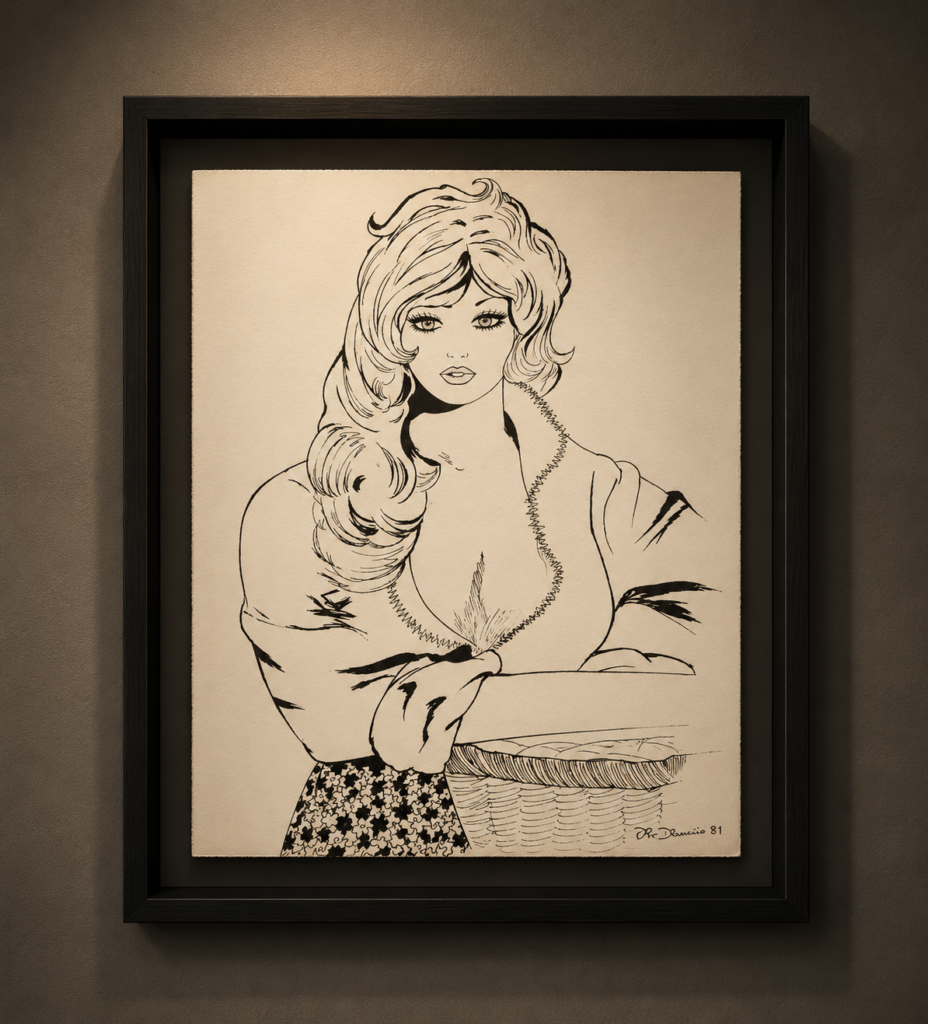
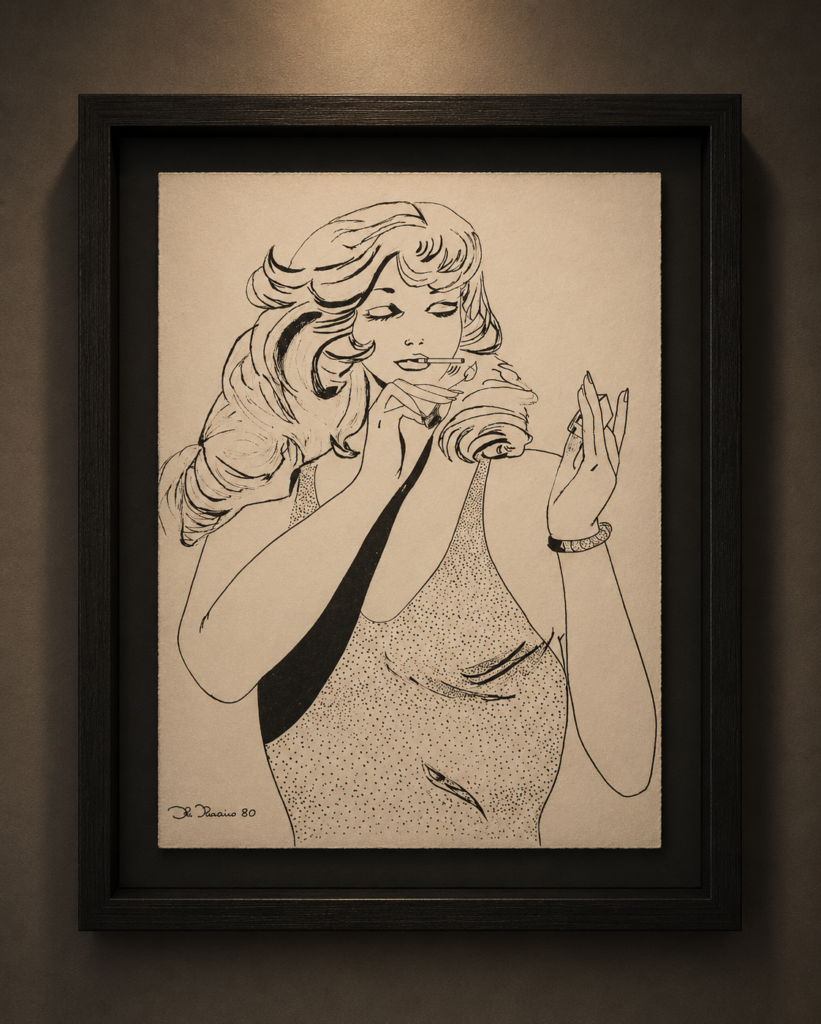
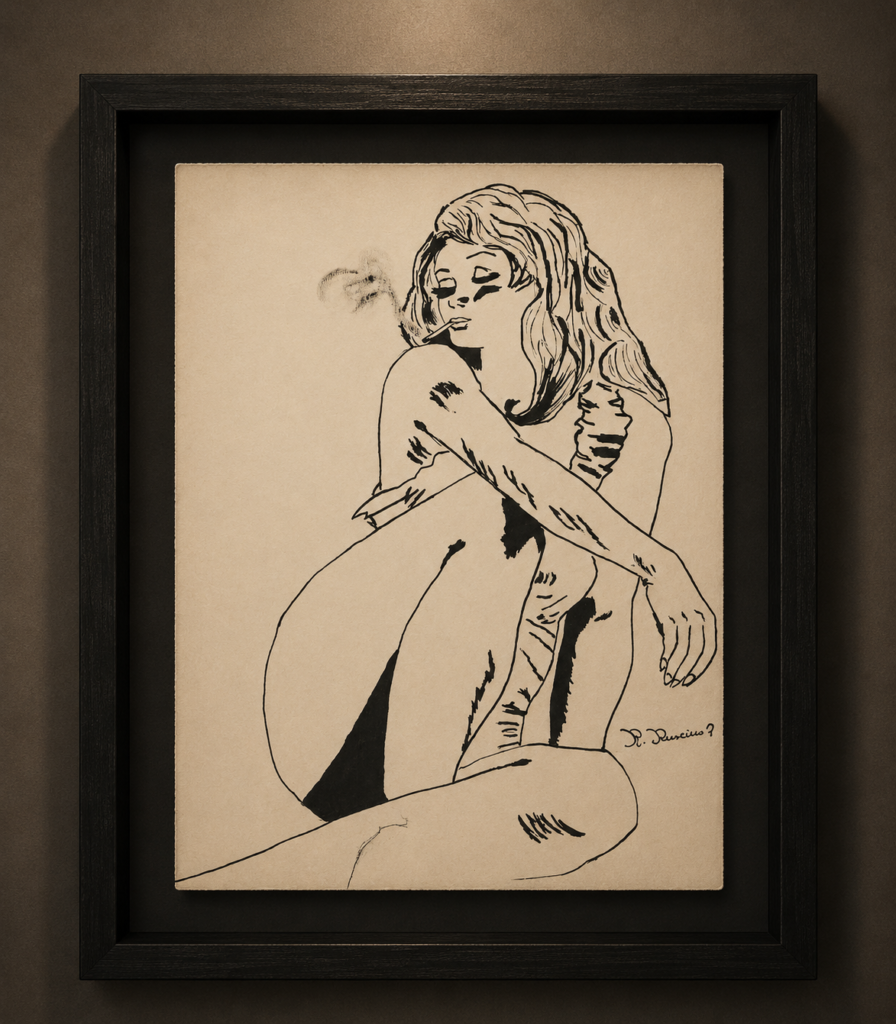
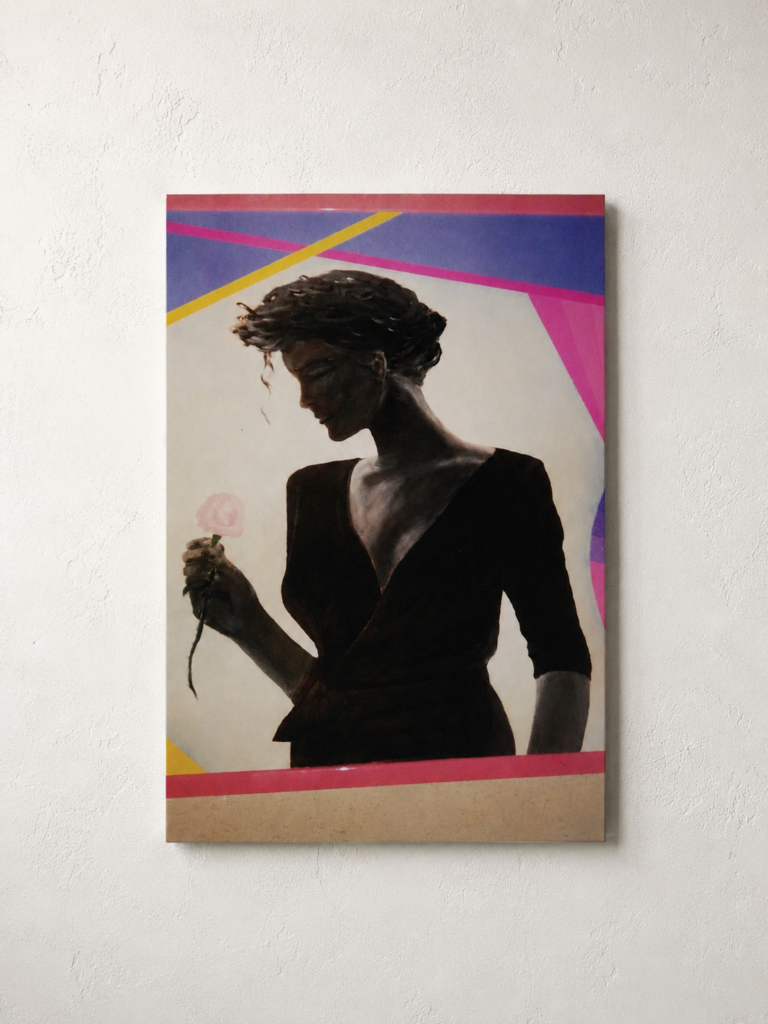
At just fifteen, she painted her first works on canvas:
intense, elegant, sensual female figures suspended somewhere between illustration, fashion, and imagination.
Yet beneath those faces lay something deeper.
Without fully realising it, Rosa was painting herself into the future
Each woman became a projection of the person she longed to become
Even in these early works, a defining element of her artistic language already emerges: the ability to continuously transform while never losing authenticity.
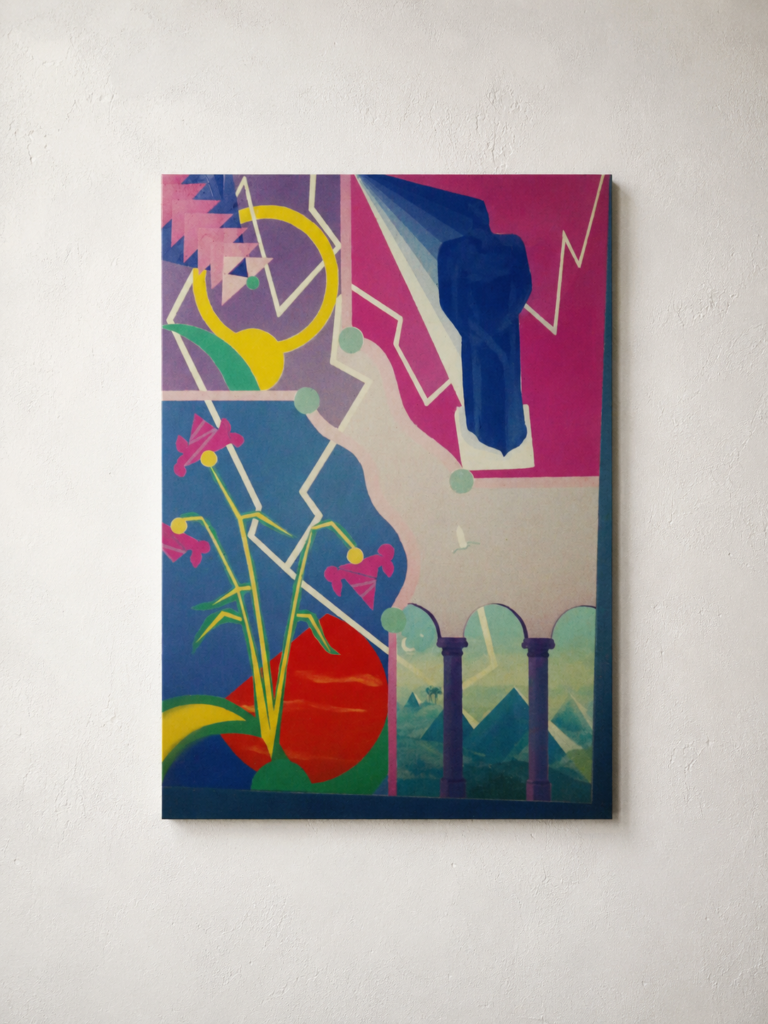
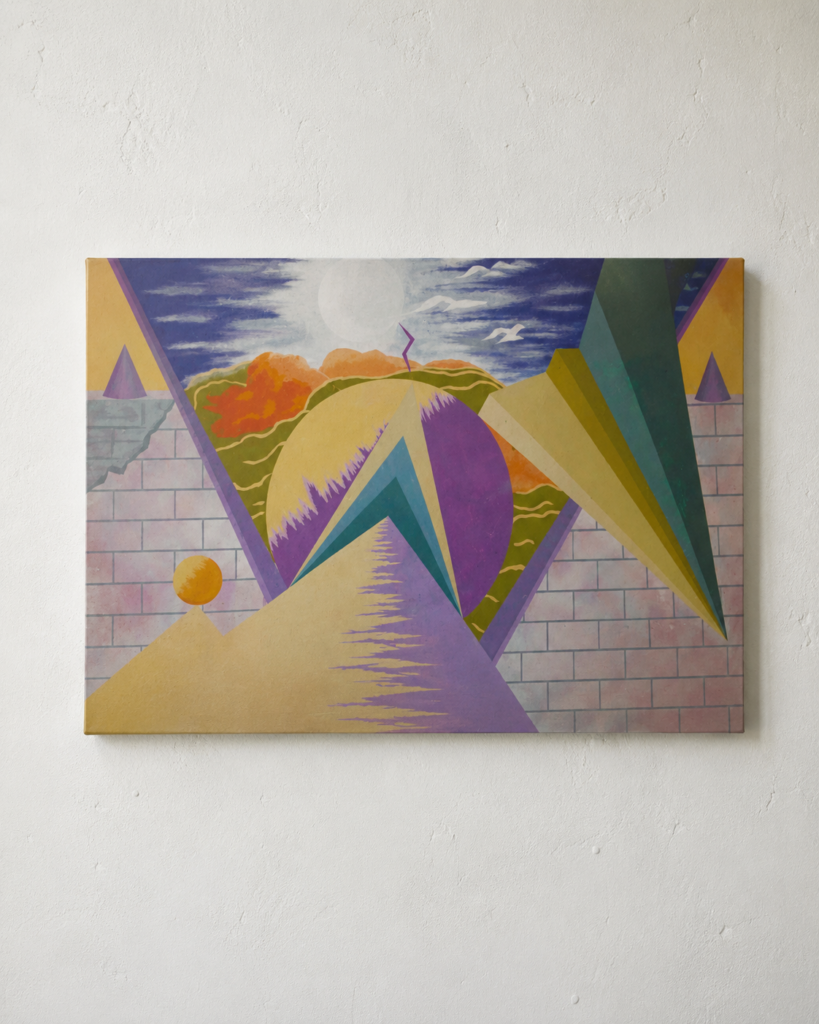
Over the years, her visual language undergoes a radical transformation
Over the years, her visual language undergoes a radical transformation Her painting opens into increasingly conceptual and visionary compositions shaped by geometries impossible perspectives, symbols of time, suspended architectures, solitary figures, and metaphysical atmospheres.
Colour itself begins to evolve profoundly violets, magentas, turquoise tones, luminous yellows, and deep blues come to dominate the canvas, giving rise to works that feel increasingly vivid, electric, and dreamlike
Her paintings no longer merely depict places or people. They become emotional and psychological landscapes
After years shaped by intense emotions and profound personal growth, her artistic language undergoes the most transformative shift of her career
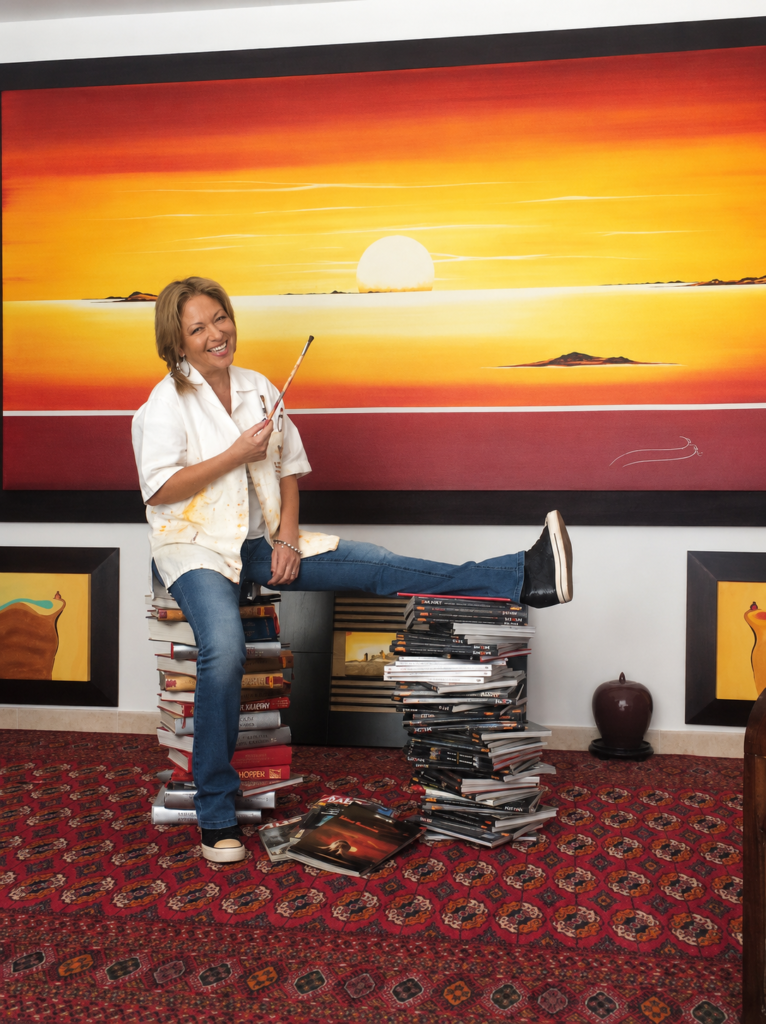
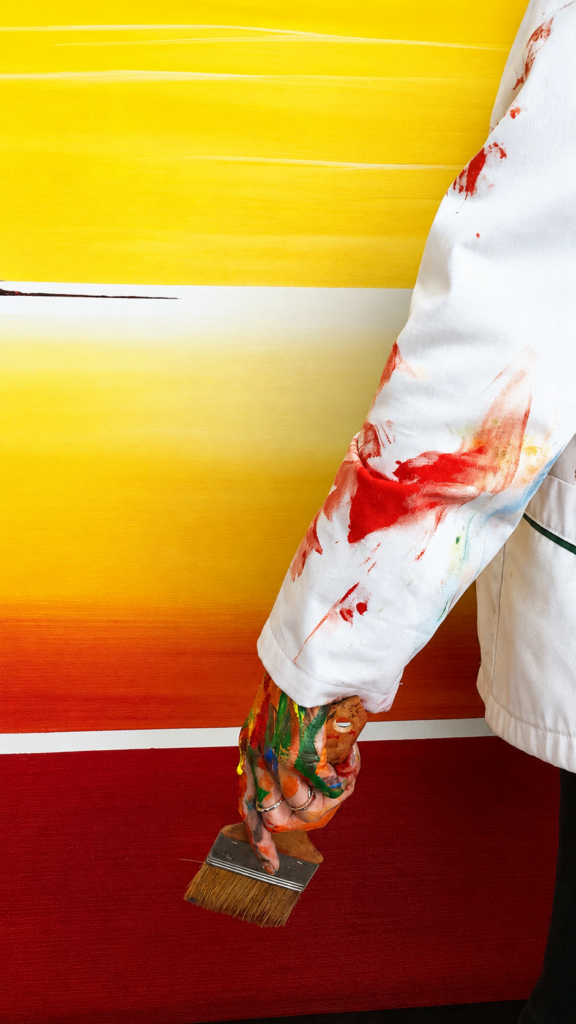
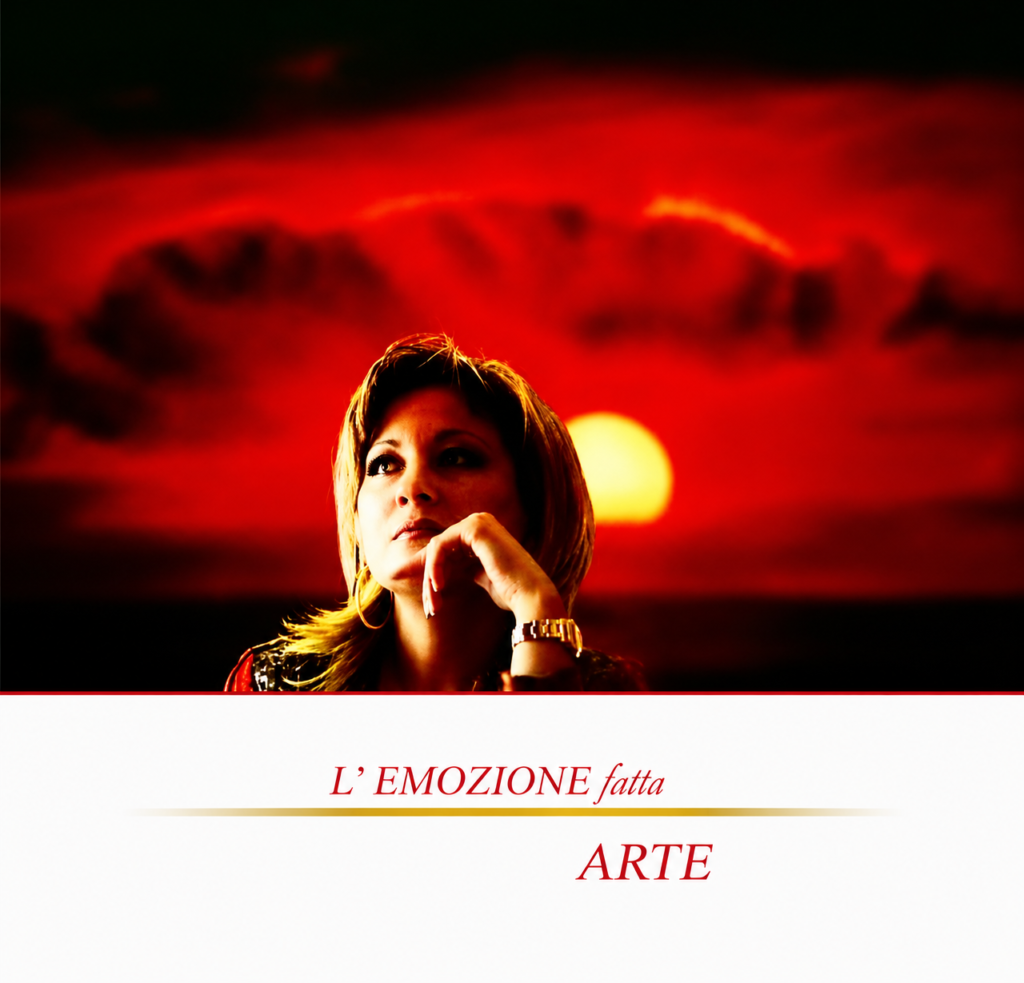
Rosa creates a work unlike anything she had painted before: a blazing crimson sunset dominated by an almost absolute visual presence
The piece is titled:
“Protagonista”
From that moment onward, her artistic journey changes completely
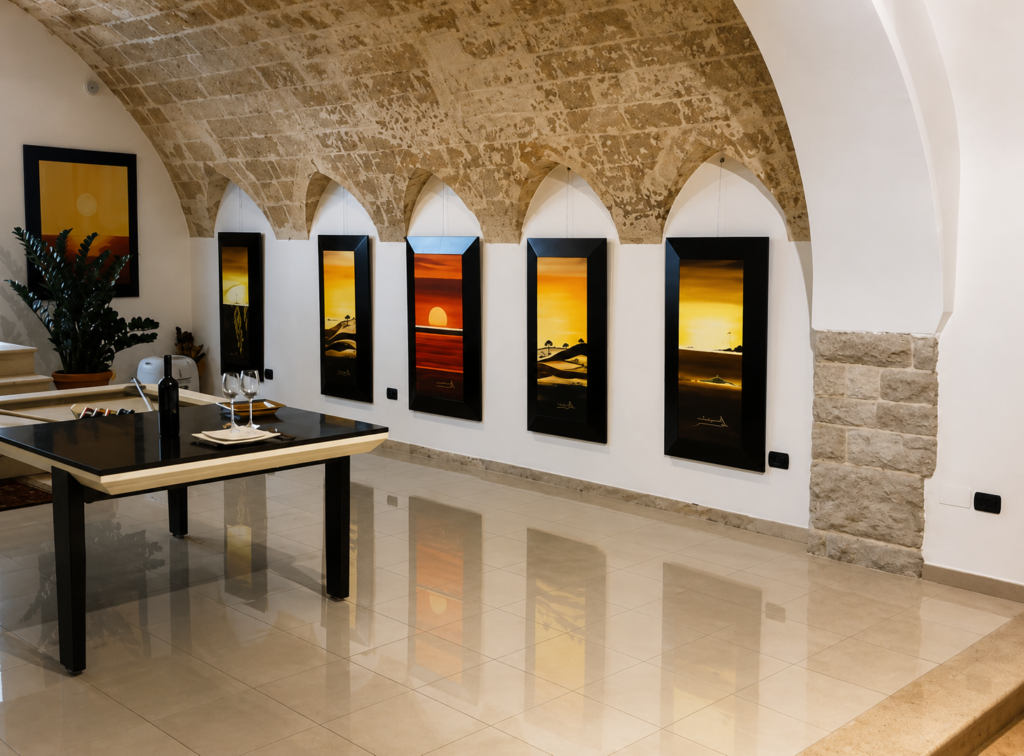
The sun becomes a symbolic presence
Red transforms into her emotional signature
Painting no longer seeks to narrate — it begins to make us feel
It is after the birth of RuRò that widespread public recognition arrives
Over the following years, she exhibits throughout Italy, takes part in art fairs and exhibitions, and opens galleries in Roma, Bari, Lecce, Barletta e Tirana e porta le sue opere anche a Londra, Amsterdam e Dubai.
At the same time, her work begins appearing in contemporary art yearbooks, magazines, and exhibition catalogues, securing her place within the Italian art scene of the 2000s
Her style becomes immediately recognisable: powerful, immersive, and emotionally charged
Over the course of her career, Her work has been published and reviewed in prominent contemporary art magazines, yearbooks, and publications, including: Contemporary Art magazine Mondadori, Arte Moderna Mondadori, Boe’, Art&trA, Arte e Collezionismo Contemporaneo, Il Teorema dell’Arte, Monreale – Raccolta d’arte contemporanea italiana, Effetto Arte, Arte Expo, Italia in Arte, Avanguardie Artistiche, Ali del Levante, Expo Arte, Critical anthologies, as well as national and international yearbook devoted to contemporary Art.
Throughout her career, Rosa Ruscino has been featured, reviewed, and supported by prominent art critics, historians, and cultural figures from both Italy and abroad, including:
Paolo Levi, Valerio Grimaldi, Mariarosaria Belgiovine, Gerard Argelier, Vittorio Sgarbi, Giorgio Falossi, Lafargue, Francesco Chetta, Walter Albonetti, Neumann, Riccardo Vernocchi, Elena Cichetti, Jacqueline Cotta, Caprio, Michele Vecchiotti, Guglielmo Pasquali, Soldato, Renato Minosi, Raphael Alberti, Carmelo Bonfiglio, Gian Paolo Bortone, Gerard Argelier and other voices within the contemporary art criticism landscape.
Critics and curators have described her work as:
“Landscapes of the soul”
“Chromatic energy”
“Inner light”
“Visual poetry”
“Emotional harmony”
Over the course of her artistic career, she has received numerous national and international recognitions, including:
Artist of the Year Award, ITALY 2005.
Nobel Quadriennal Art Award, Monte Carlo.
International Award: Golden Lion for the Arts.
Anthony Van Dyck Award
Premio Internazionale San Valentino,
Expò Art Nice, Redison Nizza,
Premio Roma,
Premio Via Nazareth,
Premio Il Pendio,
Premio della Giuria della Fondazione Giuseppe De Nittis,
Trofeo Artista dell’Anno,
Diploma d’Onore Leone d’Oro per l’Arte,
1° Premio Ex Aequo al Concorso Internazionale d’Arte Contemporanea,
• Certificates of merit and awards for artistic and cultural contribution
At the height of her artistic recognition, RuRò expands her visual language beyond the boundaries of the gallery world.
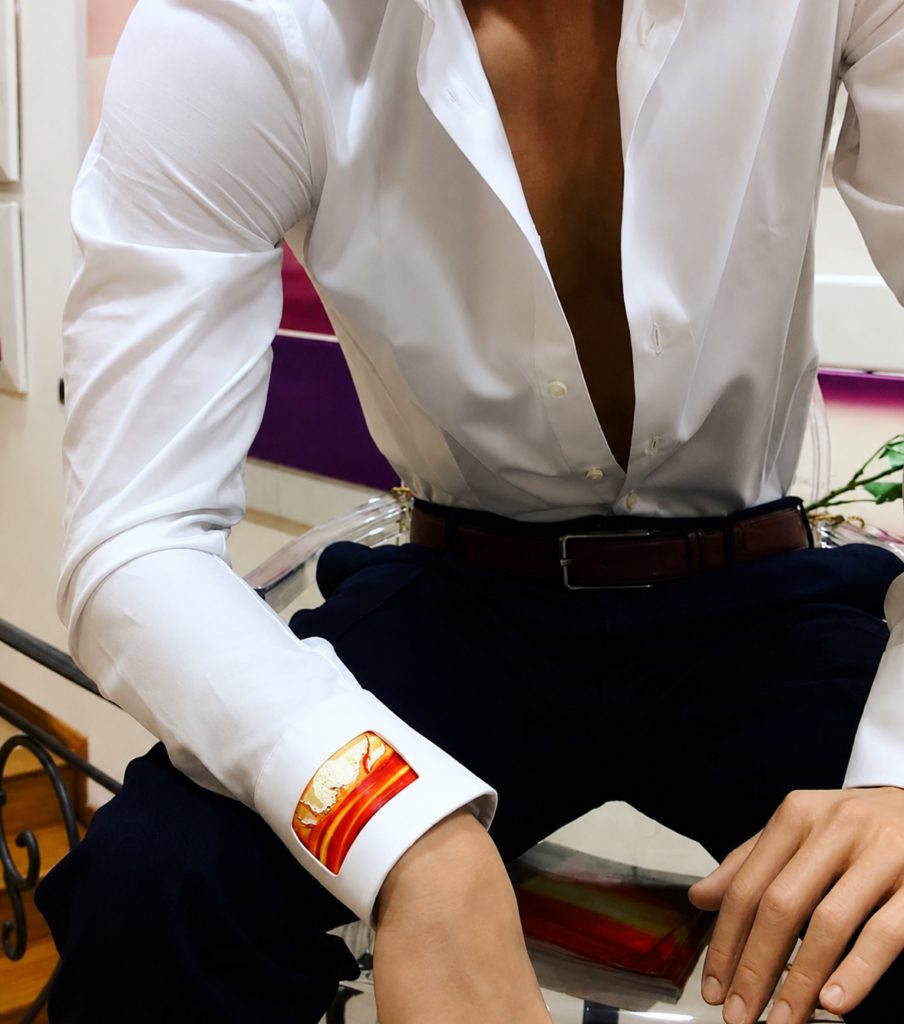
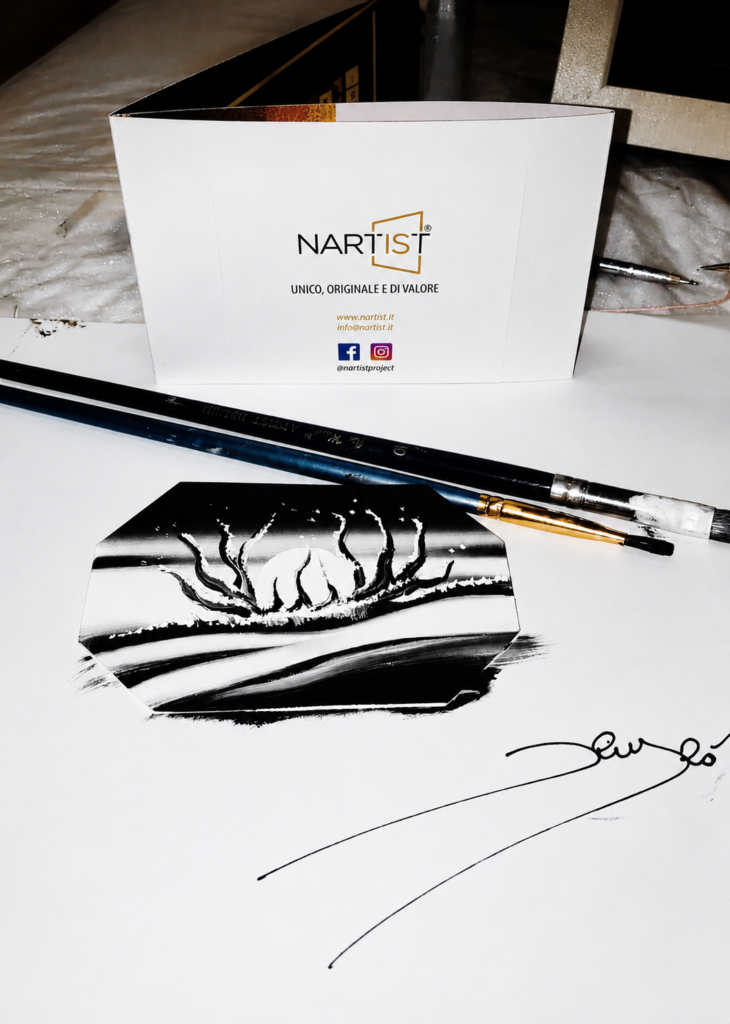
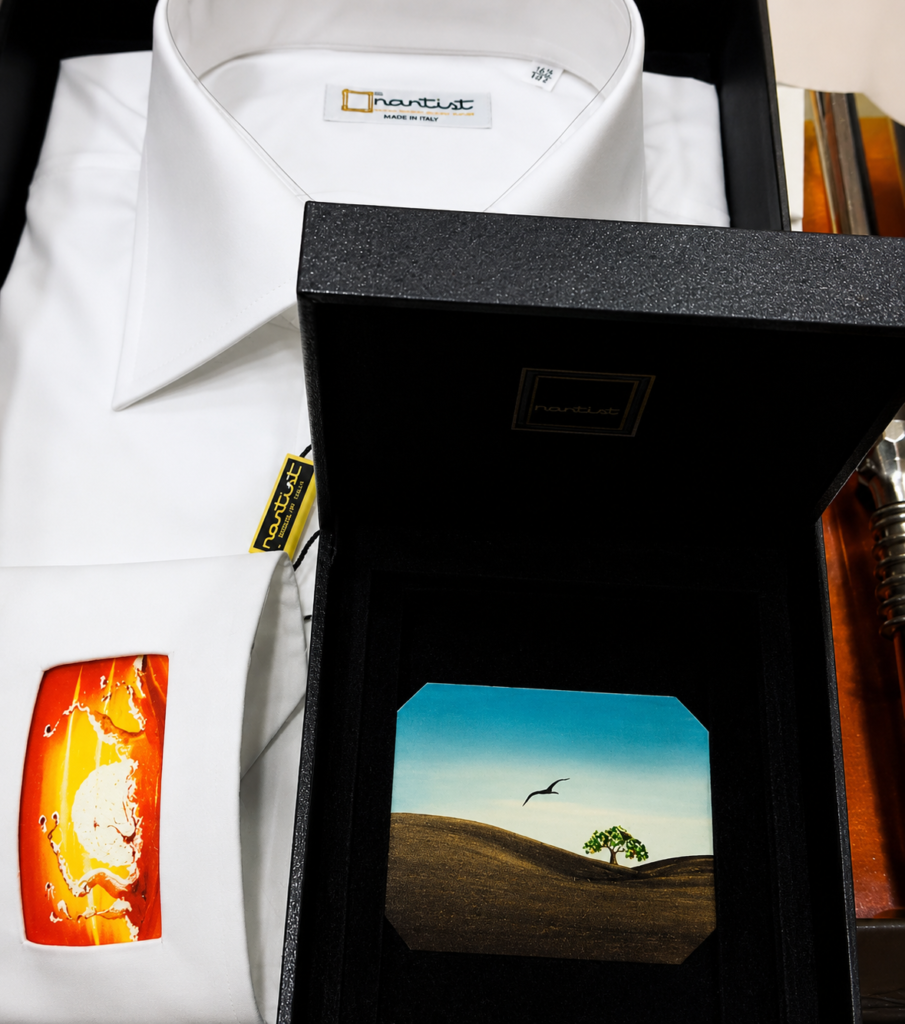
She collaborates with designers such as Nartist, blending art and fashion into an aesthetic that is both contemporary and emotionally driven.
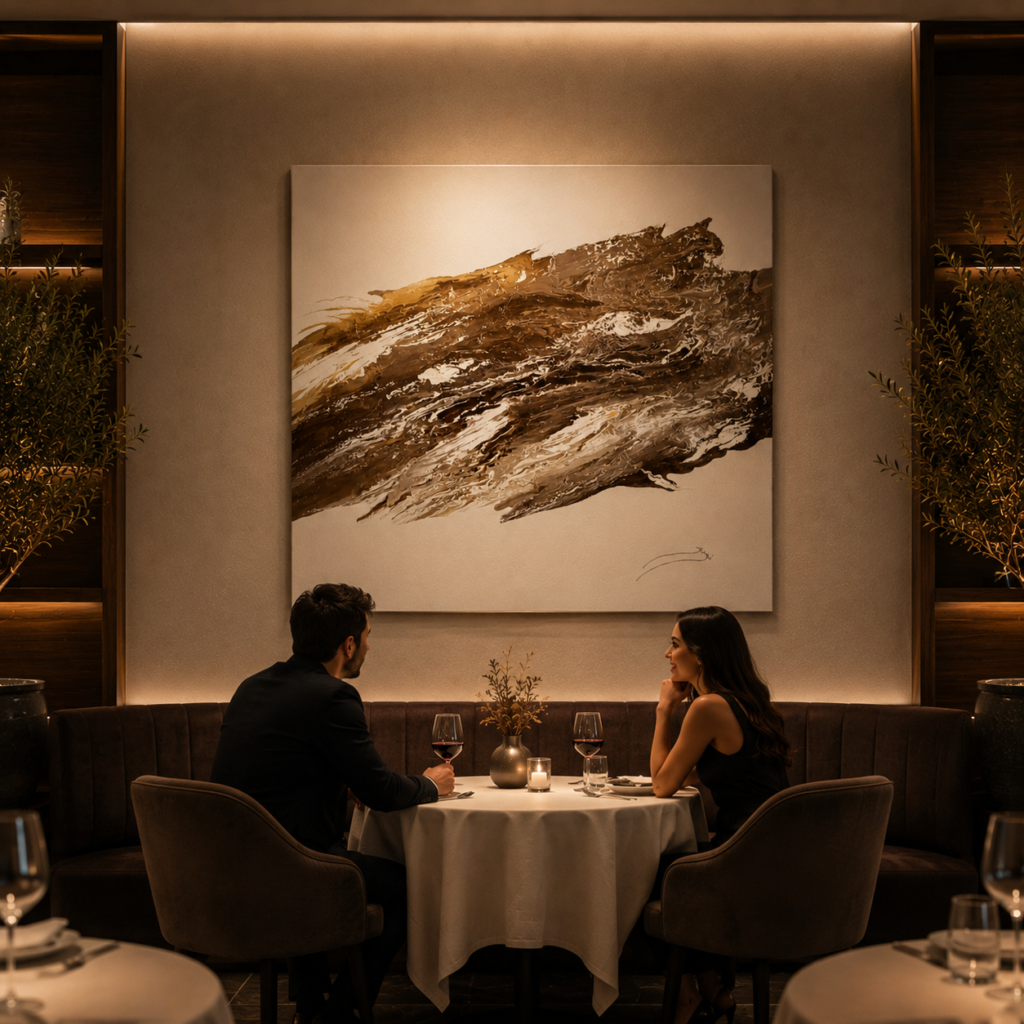
At the same time, she works alongside luxury design and interior brands such as MBM Biliardi, integrating her works into exclusive spaces where art, elegance, and interior design exist in seamless dialogue
And yet, at the very height of her success, she makes another unconventional choice.
She steps away from the traditional system of art fairs and the conventional art market.
Non per mancanza di successo, ma per libertà professionale,
After years spent building a direct relationship with collectors and clients, she chooses to create an independent space of her own: more intimate, authentic, and deeply human.
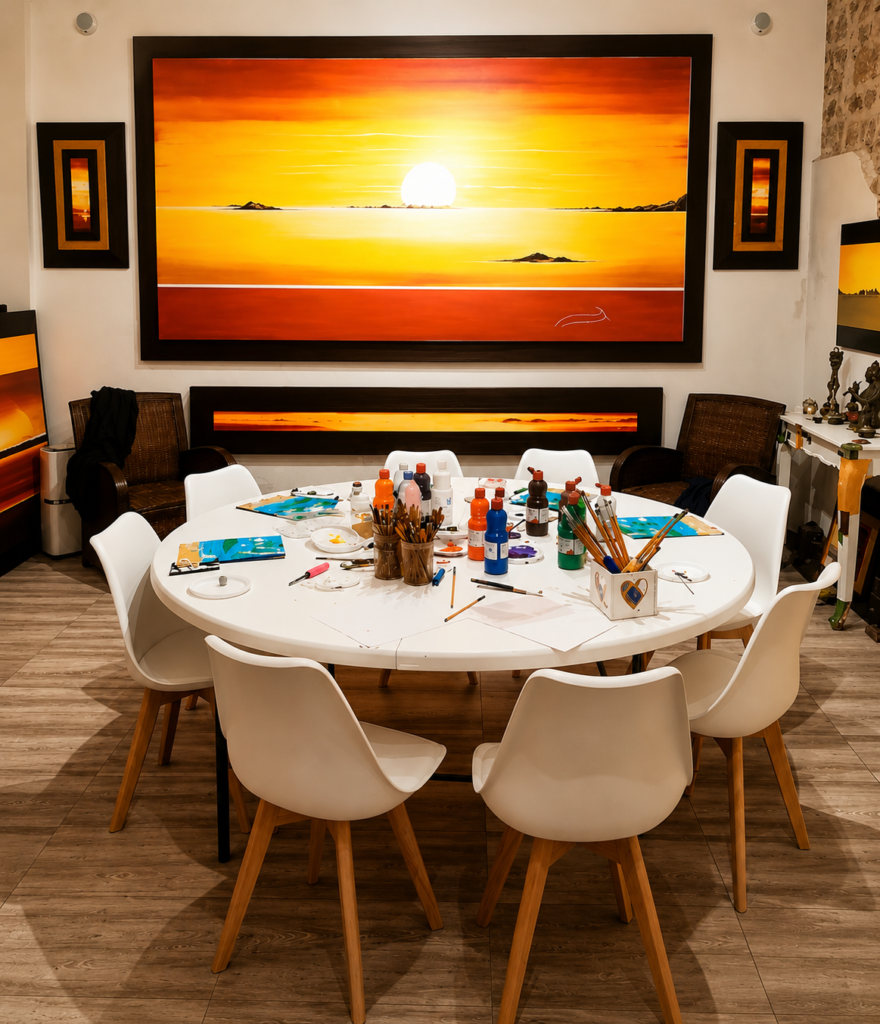
This vision becomes her personal gallery — a place that exists simultaneously as a creative atelier, exhibition space, educational environment, and artistic meeting point.
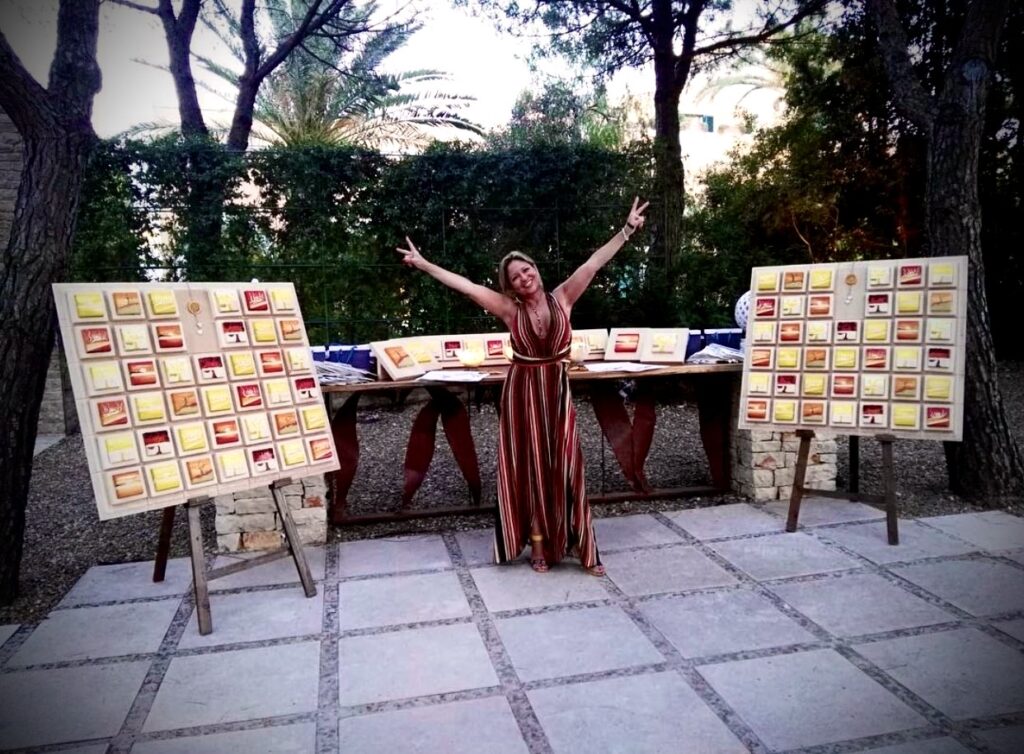
Here, art returns to being part of everyday life. Alongside her artistic practice, she organise: 's per workshops,creative experiences, artistic programmes, Wedding planning projects and collaborations with Interior Designer,
transforming her aesthetic sensibility into something immersive, emotional, and profoundly relational.
But if one believes this slowed her artistic journey, one would be mistaken.
A true artist never stands still:
She Evolves!
And it is precisely after this chapter that RuRò begins an even freer and deeper artistic exploration.
Prende forma una linea completamente nuova.
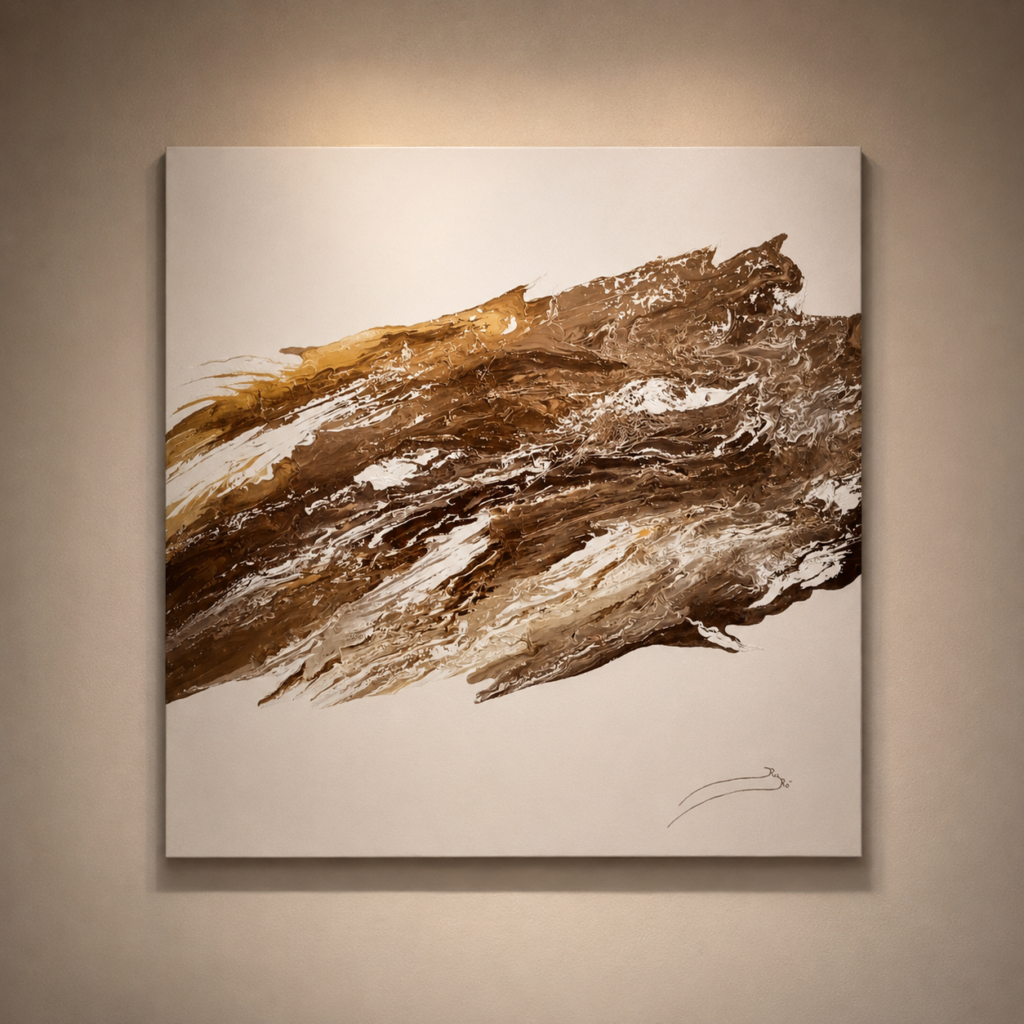
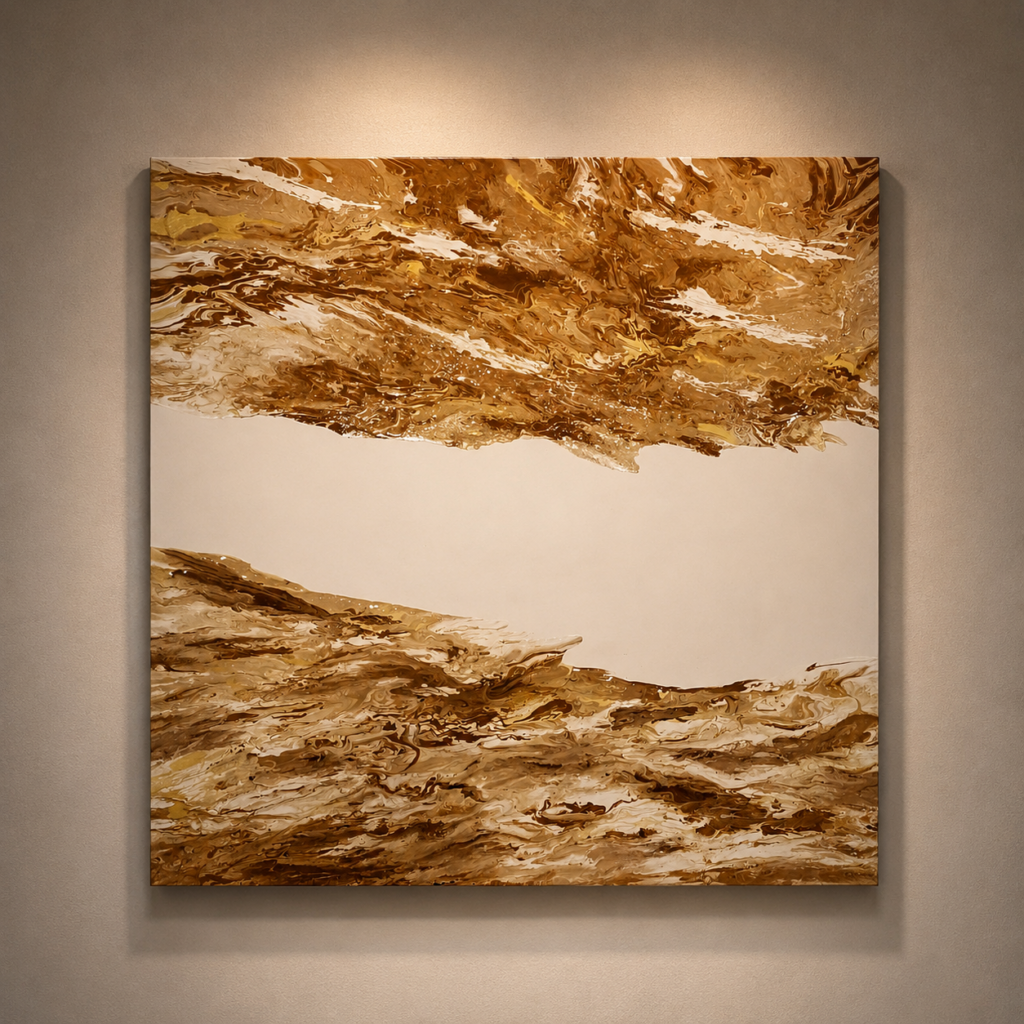
Figuration almost disappears, and painting becomes matter, movement, and energy.
Abstract, richly textured works take shape, where colour seems to transform into
sea,, sand,, wind, erosion, magma and energia liquid force..
The compositions become essential yet intensely powerful. Matter flows, settles, breathes. Empty space enters the work as a fundamental element of the composition itself.
Colour itself begins to evolve profoundly bronzo, oro, rame, avorio, terra e tonalità minerali shades gradually replace the incandescent reds of her earlier works.
There is no longer any need to depict something recognisable.
Emotion moves directly through gesture, texture, and the motion of matter itself.
This new phase does not erase the past, It carries all of it within.
The art of Rosa Ruscino, known as RuRò, was never created to follow a movement, but to express inner transformation.
Each chapter of her journey becomes a rebirth: from the child drawing with charcoal on worn fabric, to the feminine figures of her early years, from metaphysical visions to the incandescent sunsets of RuRò, and finally to her most recent textured and essential works.
Her painting does not simply ask to be observed.
observed. It asks to be experienced.
For this reason, her works do not belong to a single era, a single technique, or a single artistic definition. They belong to emotion,light, memory, and to everything that continues to transform within the human soul.
And perhaps it is precisely here that the truest essence of RuRò resides:
Not in the image she paints..
but in the story of an Emotion . . .